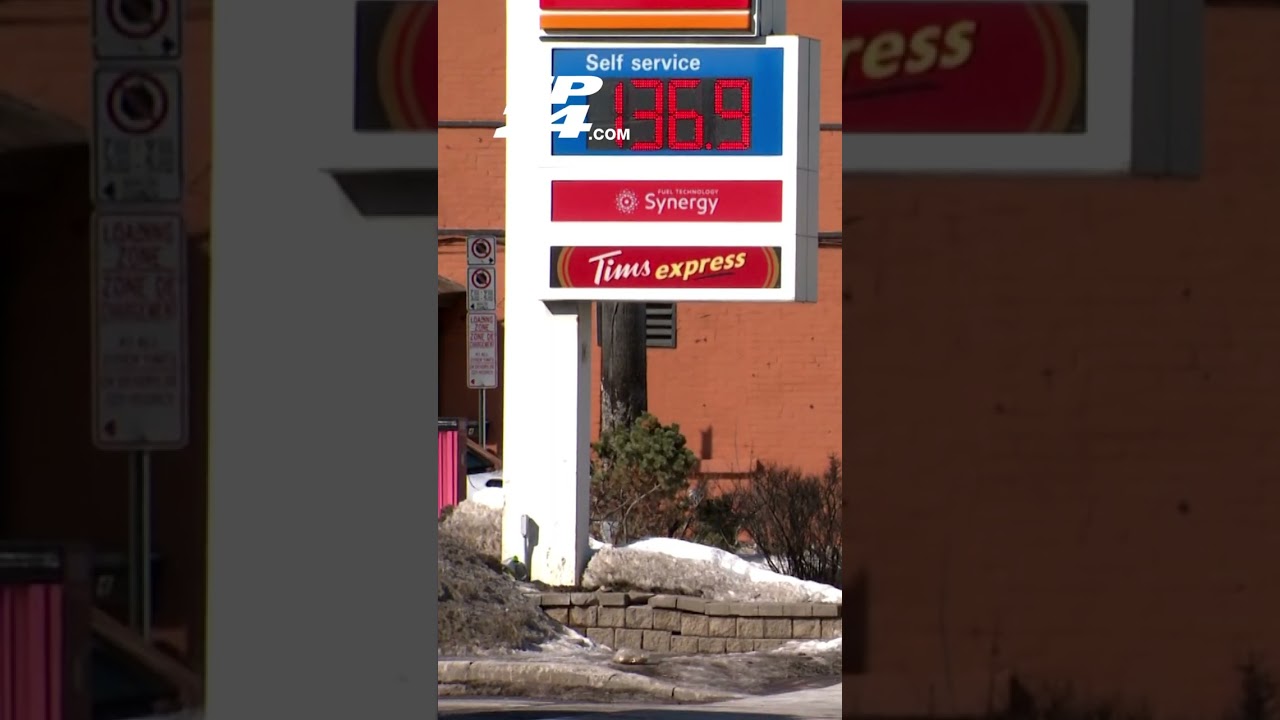
Rising Fuel Prices in the Greater Toronto Area: Implications and Insights
The Greater Toronto Area (GTA) is bracing for a significant increase in fuel prices, driven largely by ongoing geopolitical tensions in the Middle East. The anticipated rise, as forecasted by Dan McTeague, President of Canadians for Affordable Energy, is set to take effect on Friday. Consumers can expect gas prices to jump by 2 cents per liter initially, with an additional hike of 6 cents coming on Saturday. This would push the average cost of gasoline to approximately $1.56 per liter—a substantial burden for many households and businesses alike.
The ripple effects of these price increases won’t be confined to standard gasoline alone. Diesel fuel is also expected to see price surges. Starting Friday, diesel is projected to climb by 4 cents and an additional 14 cents on Saturday. Such increases would elevate the average cost of diesel to over $2 per liter, a threshold that may have far-reaching consequences for various sectors reliant on this vital resource.
Understanding the Drivers of Price Increases
The chaotic dynamics of the Middle East have historically influenced global oil prices, and the current conflict is no exception. Crude oil prices often respond to tensions in oil-producing regions, leading to fluctuations that can affect everything from international markets to local fuel costs. The relationship between geopolitical events and fuel pricing is complex and multifaceted, influencing not just supply chains but consumer behavior as well.
As the price per barrel of crude oil rises, pumps across the GTA will reflect these changes. The correlation between geopolitical stability and fuel prices underscores the vulnerability of consumers and businesses, particularly when energy costs emerge as a critical component of overall economic health.
The Economic Implications for Consumers
For residents within the GTA, rising fuel prices are not merely an inconvenience—they can fundamentally alter budgetary considerations for families and businesses alike. With transportation costs climbing, consumers may find themselves adjusting their spending habits in other areas to accommodate the increased cost of commuting or goods transported via diesel-powered vehicles.
This places a strain on small businesses, especially those reliant on delivery services. Increased fuel costs can result in higher prices for goods and services, which could further deter consumer spending. The ripple effect could disrupt the local economy, making it an issue that extends well beyond mere fuel prices.
Strategies for Consumers
In light of these increasing fuel prices, residents might consider various strategies to mitigate the impact. Carpooling, utilizing public transportation, or even exploring alternative modes of energy, such as electric vehicles, could be viable options for some. Additionally, being more conscious of driving habits—such as reducing idling time and practicing fuel-efficient driving—might also help to lessen fuel expenses over time.
Community awareness around local economics is important. Engaging with local businesses, understanding their challenges, and supporting initiatives aimed at reducing costs or improving efficiency can collectively buffer some of the negative ramifications of rising fuel prices.
Looking Ahead
The looming increase in fuel prices in the GTA is a multifaceted issue, influenced by global events that extend far beyond local borders. As the situation evolves, so too will the economic landscape. Both consumers and businesses need to stay informed and adaptable, preparing for shifts in price that could affect daily life.
In conclusion, while the immediate forecast indicates rising fuel costs, the broader implications on community economics demand attention. The responsibility lies not only with individual consumers but also with policymakers, businesses, and civic leaders to engage in proactive discussions. Addressing these challenges collectively may not only soften the blow of rising prices but also pave the way for a more resilient economic future in an unpredictable world.